state legislation
Gail’s Law: How Delayed Justice Led to Statewide Reform
Gail’s Law is named after survivor Gail Gardner, who waited more than 30 years for answers in her case. Learn how her advocacy helped transform Florida’s rape kit tracking system.
For decades, Gail Gardner lived without answers in her case. Although DNA evidence had identified the perpetrator, she was not informed—an institutional failure that delayed justice and exposed the need for greater transparency for survivors.
Gail’s Law is named after Gail Gardner, a Florida survivor whose experience showed how gaps in communication and accountability can leave survivors without critical case information for years. Today, her name represents something far larger than a single case: a statewide move toward transparency, accountability, and justice for survivors of sexual violence.
Gardner is a survivor, educator, and advocate whose leadership helped pass Gail’s Law in 2021, creating Florida’s statewide DNA evidence rape kit tracking system. The legislation—supported by RAINN and unanimously approved by the Florida Legislature—gives survivors access to critical information about the status of their evidence and helps address the communication failures that can delay justice.
What Gail’s Law Does
Gail’s Law created several important protections for survivors in Florida. Together, these reforms strengthen accountability, improve transparency, and help survivors stay informed about evidence connected to their case:
✅ Statewide rape kit tracking system
The law requires the Florida Department of Law Enforcement to implement a system that tracks the location, processing, and storage of sexual assault evidence kits.
✅ Transparency for survivors
Survivors can securely access the system to monitor the status of their kits and receive updates throughout the investigative process. This transparency reduces the risk that critical case information will remain out of reach.
✅ DNA match notification
If a DNA match is identified, survivors must be notified. This information can mean the difference between a cold case and conviction.
Gail’s Story
Before she became a catalyst for statewide reform, Gail Gardner was a single mother trying to rebuild her life after a traumatic assault.
In 1988, an armed man broke into her home and raped her while her young son slept nearby. Years later, she would also speak publicly about another trauma she experienced earlier in life—sexual abuse by a family member during childhood.
“The grooming was the most devastating part of it,” Gardner said. “It had a huge effect on my personality and how I viewed myself.”
After the 1988 assault, Gardner reported the crime and consented to a sexual assault forensic exam (commonly known as a rape kit) so that evidence could be collected. But as the years passed without answers, Gardner came to believe her kit had never been processed by the crime lab.
Turning Pain Into Advocacy
Gardner refused to let injustice define her future. Instead, she channeled her experience into advocacy, advancing policies that support survivors.
While raising her youngest child, she returned to school, completed college, and eventually earned two master’s degrees—one in English education and another in pastoral counseling. She went on to build a career as an educator in Orange County Public Schools in Orlando.
At the same time, Gardner began speaking out about sexual violence and the barriers survivors often face in the justice system. She educated teachers, parents, and caregivers about the warning signs of child sexual abuse and advocated for policies that better support survivors.
Her advocacy eventually led her to the Florida Legislature.
Working alongside lawmakers and advocacy organizations, Gardner helped champion legislation that would ensure survivors could track the status of their rape kits—an effort that culminated in the passage of Gail’s Law in 2021, which was unanimously approved by both chambers of the state legislature.
Justice Delayed
Even as Gardner was advocating for other survivors of sexual violence, she lived without the answers and justice she herself deserved.
“All those years I was looking over my shoulder,” Gardner explained, “carrying the weight of what happened.”
In fact, DNA from Gail’s rape kit had not only been found and logged but also matched to a man who had been in prison since 1992, serving two life sentences for prior convictions. But Gardner was never informed.
Then, in 2020, “I found out I still had a cold case,” said Gardner. Thirty-two years after she reported the sexual assault, prosecutors told her the name of the man who attacked her in 1988: George Girtman.
Though Girtman acknowledged his guilt and took a plea deal, Gardner wanted to face him in court. And so, in September 2024, Gardner stood boldly in a Florida courtroom to “show other survivors the importance of seeking justice.”
Transforming How Society Views Survivors
Gardner’s advocacy extends beyond legislation. She continues to speak out about the societal stigmas and biases that influence which survivors are heard, believed, and kept informed.
She pushed for changes within the Victim Service Center of Central Florida, where policies once prevented people with arrest records from volunteering. Gardner spoke with the organization’s board about how some survivors struggle with addiction, financial hardship, or legal consequences in the aftermath of trauma.
Her advocacy helped encourage a more accessible and trauma-informed approach to volunteer eligibility—opening doors for individuals who want to support survivors through volunteer work.
A Legacy of Courage
In recognition of her leadership, Gardner received the U.S. Department of Justice Special Courage Award in 2022, presented by Attorney General Merrick Garland. That same year, the Florida Council Against Sexual Violence honored her with its Survivor Activist Award.
Today, Gardner continues to work alongside lawmakers, advocacy organizations, and survivor leaders to strengthen policies that support survivors and hold systems accountable.
She also serves as a bereavement counselor, supporting people who are processing grief and trauma—including survivors who are speaking about childhood sexual abuse for the first time.
“If you’re allowed to talk,” she said, “you’re allowed to heal.”
Gardner’s story is a powerful reminder that survivors can play a critical role in shaping laws, strengthening systems, and creating safer communities.
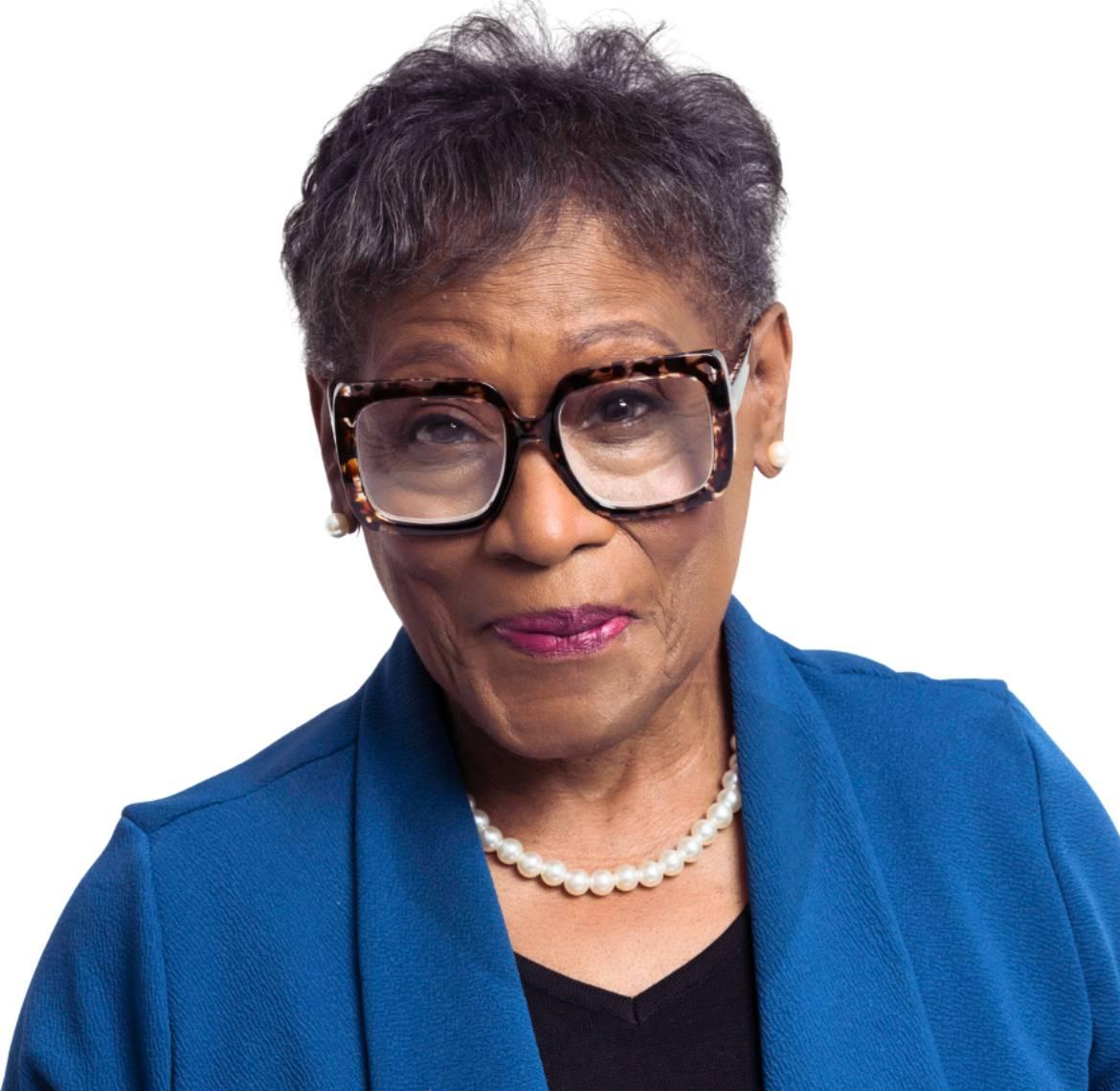
Meet Gail Gardner
Gail Frances Gardner is a survivor, educator, and advocate whose leadership helped pass Florida’s Gail’s Law, a statewide DNA evidence rape kit tracking system enacted in 2021. A longtime Florida resident and survivor of childhood sexual abuse and sexual assault, she works to advance policies that support survivors and strengthen accountability. Gardner previously worked as an educator in Orange County Public Schools and continues to collaborate with lawmakers and advocacy organizations to promote survivor-centered reforms.
If you or someone you know has experienced sexual assault, you are not alone. RAINN’s National Sexual Assault Hotline offers free, confidential, 24/7 support in English and en Español.
Join Our Community
Join the Fight for a World Free from Sexual Violence
Sign up for inspiring stories, important updates from RAINN, and tools to take action in your community.